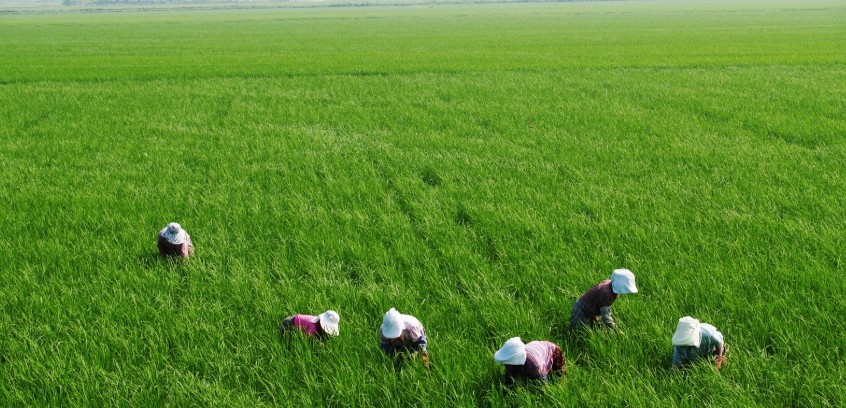
Data-driven solutions for Sustainable Development Goal 2: Zero Hunger
End hunger, achieve food security and improved nutrition, and promote sustainable agriculture
By 2030, end hunger and ensure access by all people to safe, nutritious and sufficient food all year round.
By 2030, end all forms of malnutrition, including achieving targets on stunting and wasting in children under 5.
By 2030, double agricultural productivity and incomes of small-scale food producers through sustainable practices.
Key challenges and opportunities in Southeast Asia's food security landscape
Southeast Asia is home to some of the world's largest rice producers and consumers. The region accounts for approximately 40% of global rice exports, with Thailand and Vietnam being the top exporters.
However, despite high production levels, food insecurity remains a significant challenge across ASEAN nations due to factors such as:
Insights from our analysis of ASEAN food security data
Large rice producers like Indonesia still import significant quantities, while export-oriented countries maintain domestic reserves.
GDP doesn't always predict food security outcomes - distribution systems matter more than absolute wealth.
Females are often more severely affected, with Cambodia showing 54% female vs 48.5% male food insecurity.
Low-lying countries face salinity intrusion while island nations are vulnerable to typhoon risks.
Dive deeper into our interactive dashboard to understand food security trends across ASEAN countries.